The Best Pollinator-Friendly Plants for Spring Gardens
A spring garden should not only look beautiful, it should also feel alive. One of the best ways to achieve that is by choosing plants that welcome pollinators. Bees, butterflies and other beneficial insects bring movement, sound and energy into the garden, and they play an essential role in the health of our wider environment too.
After winter, pollinators begin emerging in search of food. Early and mid-spring can be a particularly important time for them, because reliable sources of nectar and pollen may still be limited. By choosing the right plants, gardeners can make a real difference while also creating a garden that feels richer, more vibrant and more connected to nature.
In Oxfordshire gardens, pollinator-friendly planting works beautifully in all kinds of spaces. It suits cottage borders, wildlife corners, modern patios, kitchen gardens and container displays alike. You do not need acres of land or a dedicated wildflower meadow to support pollinators. Even a few thoughtfully chosen plants can help.

Why pollinator-friendly planting matters in spring
Spring is a season of renewal, and pollinators are part of that story. As the weather warms, insects begin to reappear, but they need access to suitable plants if they are to thrive.
Early support makes a difference
A garden with spring flowers can provide valuable food at a time when natural sources may still be patchy.
A healthier garden overall
Pollinator-friendly gardens often feel more balanced and dynamic. They attract beneficial insects and encourage a stronger connection between planting and wildlife.
More beauty and movement
There is something special about a garden that is full of bees moving between flowers or butterflies resting in sunny corners. It makes the whole space feel more alive.
What makes a plant pollinator-friendly
Pollinator-friendly plants are usually rich in nectar or pollen and easy for insects to access.
Open flowers are often better
Simple, open blooms are often easier for bees and other pollinators to use than heavily doubled flowers.
A long flowering season helps
Gardens are most supportive when they offer food across different months rather than in one short burst.
Variety matters
A mix of flower shapes, colours and flowering times helps support a wider range of insects.
Best pollinator-friendly plants for spring gardens
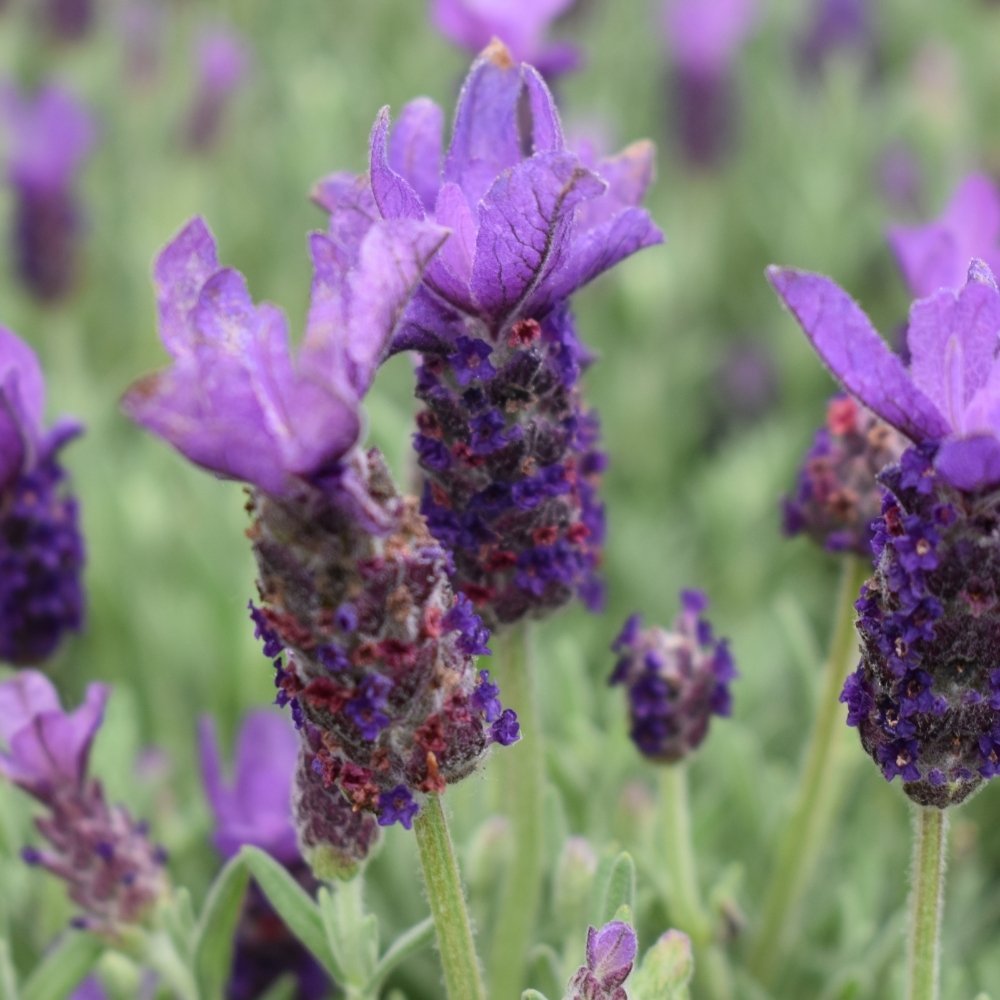
Lavender
Lavender is one of the best-known pollinator plants, and for good reason. It is loved by bees, smells beautiful and adds a relaxed Mediterranean feel to the garden. In sunny Oxfordshire gardens, it works well in borders, gravel planting and containers.
Salvia
Salvias are excellent for pollinators and highly decorative. They add height, colour and movement, and are especially useful in sunny mixed borders.
Rosemary
Rosemary is practical, evergreen and attractive to pollinators when it flowers. It is ideal near paths, in herb gardens or in large containers.
Heuchera
While heuchera is often chosen for its foliage, some varieties also produce airy flower stems that pollinators enjoy. It is a useful plant for adding both visual contrast and ecological value.
Hardy geraniums
Hardy geraniums are easy to grow, long-lasting and very useful in pollinator-friendly borders. They fill space well and combine naturally with many other spring and summer plants.
Verbena bonariensis
This is a favourite plant for pollinating insects later into the season, but it is worth planning for in spring. Its airy structure and long flowering habit make it one of the most useful plants in wildlife-friendly planting.
Spring bulbs that help pollinators
Bulbs are not only decorative. Many can also provide valuable early food.
Crocus
Crocus are among the first flowers to appear and are often visited by bees on bright spring days.
Muscari
Also known as grape hyacinths, these provide spring colour and can work well in borders, under trees and in containers.
Alliums
Later than crocus, but still valuable as spring moves on, alliums bring strong architectural interest and appeal to pollinators too.
Best shrubs for a pollinator-friendly spring garden
Shrubs give structure and can also be very helpful for wildlife.
Hebe
Many hebes produce flowers that attract pollinators and are useful in smaller gardens because of their neat, compact habit.
Flowering currant
This is a lovely spring-flowering shrub that adds colour and can be attractive to early pollinators.
Skimmia and similar shrubs
Depending on the variety, these can contribute seasonal interest and useful structure within pollinator-friendly planting.
Pollinator-friendly herbs to grow
Herbs are some of the most rewarding plants for spring gardens because they combine beauty, fragrance and practical use.
Thyme
Thyme is excellent in sunny spots and often loved by pollinators when flowering. It is ideal in gravel, edging or containers.
Mint
Mint flowers later on and is highly attractive to pollinators, but it is best grown in a pot to keep it under control.
Chives
Chives are easy to grow and their flowers are attractive to bees as well as to gardeners.
How to create a pollinator-friendly planting scheme
It is not just about individual plants. The way they are arranged matters too.
Plant in groups
Pollinators find it easier to spot flowers when several of the same plant are grouped together. This also tends to look more effective visually.
Include different heights
A layered planting scheme with ground cover, mid-height flowers and taller plants creates a richer habitat and a more attractive border.
Mix ornamental and useful plants
Pollinator-friendly planting can include flowers, herbs and shrubs together. It does not have to look wild or untidy to be beneficial.
Pollinator-friendly plants for pots and small gardens
You do not need a large garden to support pollinators.
Lavender in pots
Lavender is excellent in containers and ideal for sunny patios and doorways.
Herbs by the kitchen door
Rosemary, thyme and chives can all be grown in containers and offer both practical and ecological value.
Mixed pollinator containers
A well-planted container with flowering plants and herbs can provide useful food for insects and still look beautiful in a compact space.
What else helps pollinators in the garden
Plants are the most important starting point, but a few other simple choices help too.
Avoid over-tidying
A garden that is too neat all the time may offer fewer places for insects to shelter. Leaving some areas a little more natural can be beneficial.
Provide water
A shallow dish with stones can offer insects a safe place to drink.
Try to keep something flowering
The best gardens for pollinators provide interest across the seasons, not only in spring.
Balancing beauty and wildlife
Some people worry that a pollinator-friendly garden will look messy or less designed, but the opposite is often true. Many of the best pollinator plants are also among the most attractive garden plants overall. Lavender, salvia, geraniums, herbs and flowering shrubs all look beautiful when used well.
A pollinator-friendly garden can be elegant, modern, traditional or relaxed. It can be full of colour or kept quite restrained. The important thing is that it offers food, variety and a welcoming environment.
Why this matters in Oxfordshire gardens
Oxfordshire gardens range enormously in style, but all have the potential to support wildlife. From village cottages to newer developments and family gardens, even a small amount of pollinator-friendly planting can help connect private spaces with the wider landscape.
This is one of the simplest and most rewarding things any gardener can do. It brings your garden to life and helps make it part of something bigger.
Create a garden that gives back
Choosing the best pollinator-friendly plants for spring gardens is about more than gardening fashion. It is about creating a space that supports life, feels vibrant and offers beauty with purpose.
If you want your garden to feel lively this spring, start with plants that attract bees, butterflies and other beneficial insects. Choose a mix of flowers, herbs and shrubs, plant them generously, and allow the garden to become a place where colour and wildlife work together.
At Bampton Garden Plants, we love plants that do more than just look good. If you are planning a spring garden that is both beautiful and beneficial, visit us for inspiration and discover pollinator-friendly plants that will thrive in your Oxfordshire garden.

Leave a comment
This site is protected by hCaptcha and the hCaptcha Privacy Policy and Terms of Service apply.